
Online Nursing Programs 2026: RN, BSN, MSN & Doctorate of Nursing Compared
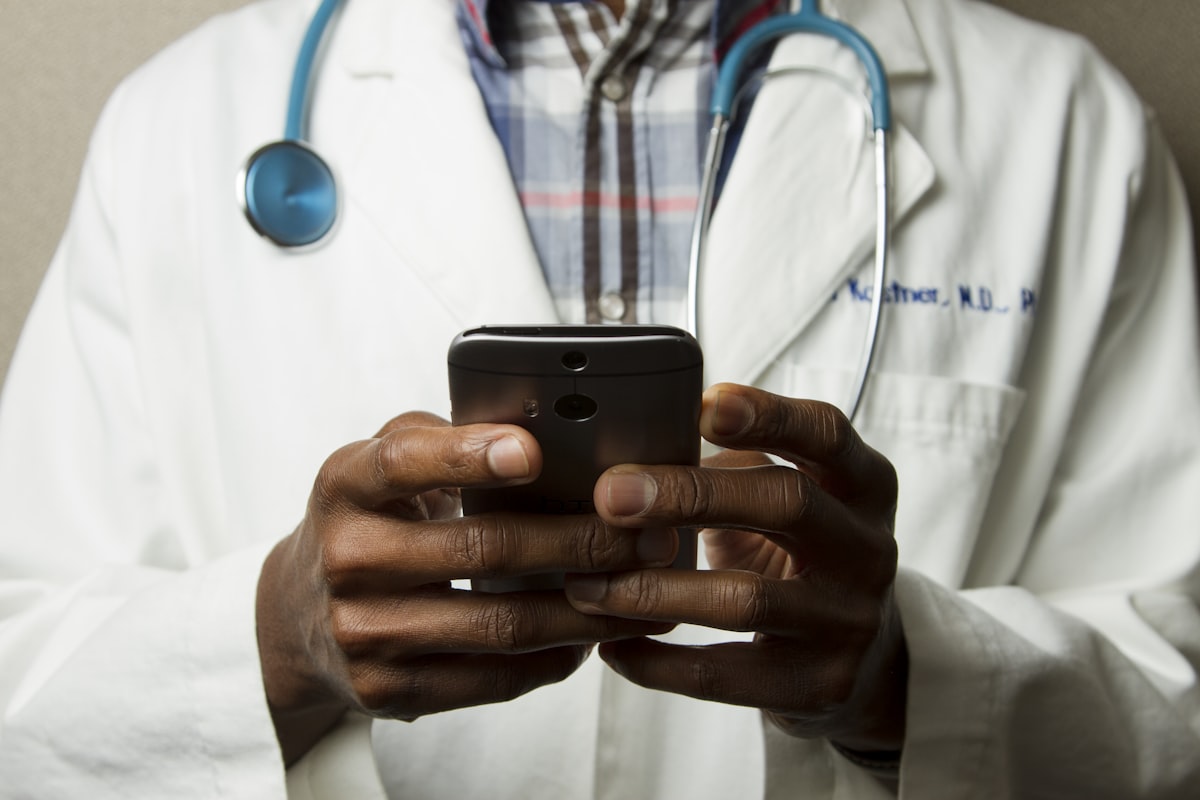
Photo by National Cancer Institute on Unsplash
Online Nursing Programs 2026: RN, BSN, MSN & Doctorate of Nursing Compared
The nursing shortage isn't going away. The US Bureau of Labor Statistics projects more than 190,000 new RN openings every year through 2033, and hospitals are paying sign-on bonuses that would have seemed absurd a decade ago. If you've been thinking about a career change, nursing is one of the few fields where demand is clearly on your side.
You can also now do most of it online. You still have to show up for clinical hours, and no video call will replace those, but the classroom parts of modern online nursing programs happen at your kitchen table. Five years ago this was still a little sketchy. Now it's mainstream and accredited, and the degree looks identical on paper to the on-campus version.
Below is how the nursing education ladder works in 2026, which rungs you can climb online, and where people usually get stuck.
The nursing education ladder
Nursing has more credentials than almost any other healthcare field, and the letters after someone's name matter because they decide what that nurse is allowed to do. Getting this straight will save you from applying to the wrong program.
LPN/LVN: online practical nursing programs
A Licensed Practical Nurse (LPN), called an LVN in California and Texas, is the fastest way into paid nursing work. Programs run 12 to 18 months. Online practical nursing programs teach the lecture portion through recorded classes and live Zoom sessions, then send you to a local clinical site for the hands-on hours. Average pay is around $55K. That's not amazing, but you're working as a real nurse inside of a year.
Most states require LPNs to work under an RN's supervision, which is why many people treat it as a stepping stone rather than an endpoint.
RN: online RN programs (ASN/ADN)
Registered Nurse is the real starting job. You need either a two-year Associate's (ASN/ADN) or a four-year Bachelor's (BSN). Either one lets you sit for the NCLEX-RN exam, and passing that is what makes you an RN.
The catch with fully online rn programs: the NCLEX is the same no matter where you studied, but many states require clinical hours to happen in person under a licensed preceptor. In practice, "online" here means hybrid, with lectures and theory online and clinicals at a local hospital or clinic the school has a contract with. If a program promises 100% online RN school with zero in-person time, be suspicious. Every legitimate rn degree online still requires clinical hours, and any rn school online that says otherwise is either ignoring licensing requirements or hoping you will. Read the accreditation page twice.
Accredited options to start with: Excelsior University, Rasmussen and Herzing all run online rn nursing programs with clinical placement networks across multiple states. Online registered nurse programs from these schools are ACEN or CCNE accredited, and that accreditation is what licensure depends on.
RN-to-BSN: online nursing degree programs
If you're already an RN with an associate's degree and want to move into a specialty, leadership or graduate school, an RN-to-BSN is the bridge. These are the most fully online programs in nursing. In most cases there are no new clinicals and no in-person exams. You're already an RN, so the school just gives you the coursework that turns the associate's into a bachelor's.
Most RN-to-BSN programs take 12 to 24 months part-time. Tuition varies wildly: Western Governors University offers a flat-rate competency-based model that can run under $8,000 total if you move fast. The University of Texas at Arlington and Ohio State both run respected online nursing degree programs at mid-range price points.
MSN degrees: Master of Science in Nursing
At this level nursing starts to feel like a profession with tiers. MSN degrees lead to nurse practitioner, nurse educator, nurse administrator and clinical nurse specialist roles, and every one of those pays meaningfully more than a floor RN job.
Online MSN programs are common and well regarded now. Duke, Vanderbilt, Johns Hopkins and Georgetown all run online or hybrid MSN tracks. They cost more than the BSN, roughly $30K to $70K depending on the school, but nurse practitioners earn a median of about $120K, so the investment pays back faster than people expect.
Doctorate of nursing (DNP)
The doctorate of nursing practice is the highest clinical credential in the field. It's different from a PhD in Nursing: the DNP is practice-focused (you'll treat patients), while the PhD is research-focused (you'll write grants). Most new nurse practitioners in 2026 are getting the DNP instead of stopping at the MSN because the profession is moving that way, and by 2030 the DNP may become the entry standard for advanced practice nursing.
Online DNP programs exist at most of the big nursing schools. They typically run three to four years part-time and cost $40K to $90K. Applicants usually already have an MSN, though a few schools offer a BSN-to-DNP path that skips the separate master's.
Online nurse practitioner programs and FNP tracks
Nurse practitioner is what most people mean when they say they want to "become an NP." It's an MSN or DNP with a clinical focus. The common tracks are family, pediatric, psychiatric, adult-gerontology, women's health and acute care. Online nurse practitioner programs are everywhere now, and most reputable schools run them.
Family Nurse Practitioner (FNP) is the most popular specialization because FNPs can see patients of every age, from kids to the elderly, which makes them very employable in primary care. Online FNP programs at Georgetown, Simmons, Frontier Nursing University and Duke are the commonly cited high-quality options. Expect 500+ clinical hours in person, arranged by you or the school.
So can you do nursing school online?
Mostly yes, with asterisks. Lectures and theory move online cleanly. Simulation labs and clinicals do not. Any program worth attending will arrange clinical placements near you, and you should never pay a school that promises zero in-person time. That's either a scam or a credential that won't let you sit for licensure. Nursing school online programs work best for the classroom parts of nursing education (pharmacology, ethics, pathophysiology, research methods) and worst for the hands-on work.
Even rn classes online at hybrid schools have gotten good. The pandemic forced nursing programs to learn remote teaching the hard way, and the ones that survived are better at it now.
How to choose a program
Check these, in this order:
- Accreditation. ACEN or CCNE for RN and BSN programs. Anything else and your degree won't let you sit for the NCLEX. Check the school's accreditation page, then verify it on the ACEN or CCNE website directly. Don't trust the school's word for it.
- Clinical placement support. Some schools arrange everything. Others dump the problem on you and you end up cold-calling hospitals in your area. The second kind is miserable. Ask about this specifically before enrolling.
- NCLEX pass rate. Accredited schools publish this. Anything under 85% on first attempt is a warning sign.
Cost matters too, but less than you'd think. The cheapest accredited nursing program you can complete beats the most expensive one you can't, and dropout rates in nursing programs are high, so choose a school you can actually finish. If nursing turns out not to be your fit, our guides on medical billing, coding, and medical assistant programs cover shorter healthcare paths, and online MSW programs are a common pivot for people who want to work in a helping profession without the bedside work.
Short-format nursing & health courses
A full nursing degree is a multi-year commitment. If you already work in healthcare and need targeted upskilling in areas like infection control, safeguarding, medication management or health and safety, short QLS-endorsed courses from UK provider Academy for Health and Fitness can close specific skills gaps in weeks instead of years.
Active deal: Use code lovehf98 for 98% off any course at Academy for Health and Fitness, including Health and Social Care Level 3 & Level 5 Diplomas, Health & Safety Courses, and Safeguarding training. It's useful CPD alongside a formal nursing program, or before you start one.
Frequently asked questions
Can you really become an RN through an online program?
Yes, through a hybrid online RN program with lectures online and clinicals in person at a local hospital or clinic. Every state board of nursing requires in-person clinical hours for initial RN licensure, so a 100% online RN school doesn't exist for new students. For existing RNs moving up to a BSN or MSN, fully online is normal and widely accepted.
How long do online nursing programs take?
ADN/ASN: about two years. BSN: four years from scratch, 12-24 months if you're an RN bridging up. MSN: two to three years after the BSN. DNP: three to four years after the MSN, or five to six years direct from BSN.
Are online MSN degrees respected by employers?
If the program is accredited by ACEN or CCNE and the school has a real reputation (Duke, Johns Hopkins, Georgetown, Vanderbilt and so on), employers don't distinguish between online and in-person MSN degrees. They look at the school name and the accreditation, and the delivery format doesn't come into it.
What's the difference between an MSN and a Doctorate of Nursing Practice?
The MSN is a master's degree and the standard credential for nurse practitioner roles today. The DNP is a doctorate and the direction the profession is moving: most new NP students in 2026 are enrolling in DNP programs directly instead of stopping at the MSN. A DNP gives you more clinical training, more leadership coursework and a terminal degree. The PhD in Nursing is a separate research doctorate for people who want to do academic work.
Are online FNP programs harder to get into than on-campus ones?
Not really. Admission standards are the same, because it's the same program delivered differently. The biggest practical difference is that at some schools online FNP students have to arrange their own clinical placements, which can be a real headache if you live somewhere without many clinics.
More from Class Coupon


Get new verified coupons weekly
One short email a week with newly verified course discounts. No spam, unsubscribe anytime.