
Cerrando la Brecha Educativa: Cómo Asia Está Abordando la Desigualdad en las Escuelas
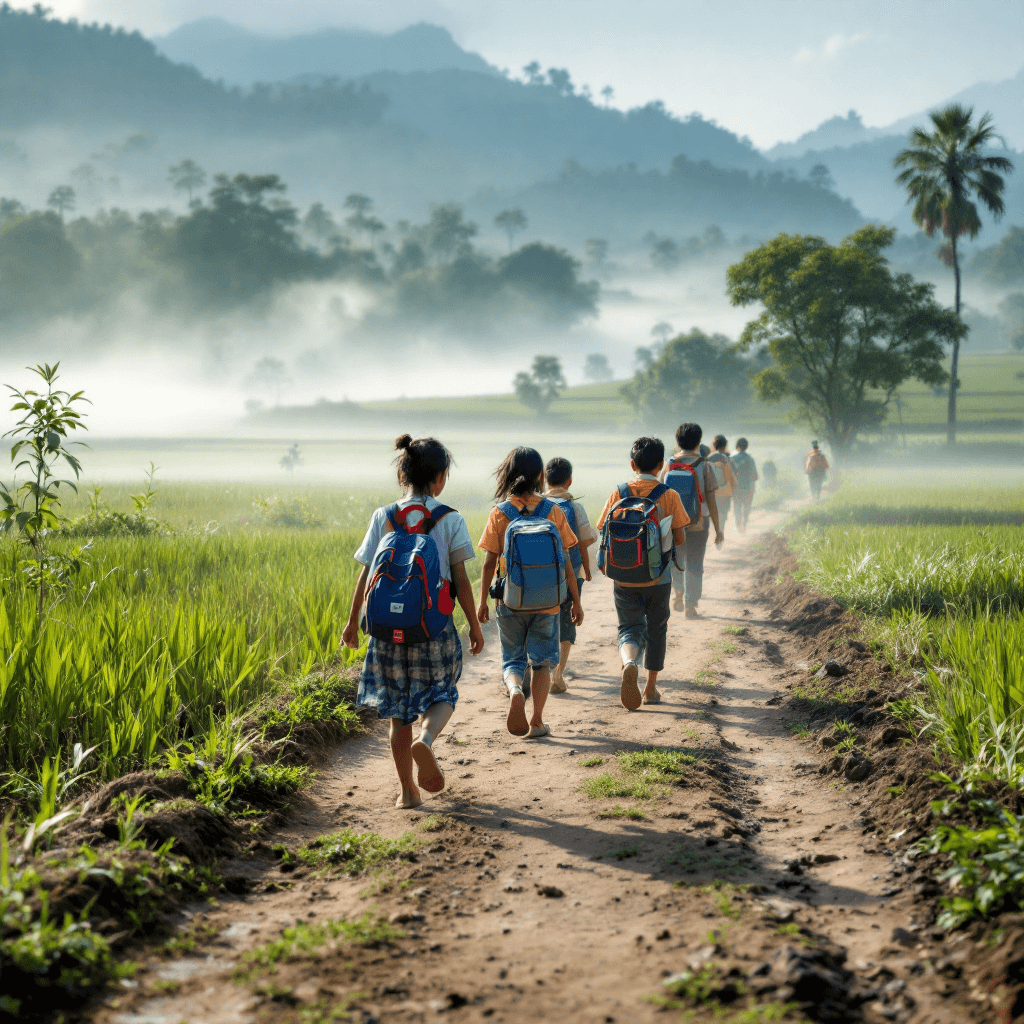
Aquí hay un número que debería preocuparte: en toda Asia, un niño nacido en un pueblo rural es hasta tres veces menos probable para completar educación secundaria que un niño nacido en la ciudad capital del mismo país. Mismo gobierno, mismo plan de estudios nacional, mismas pruebas estandarizadas — resultados radicalmente diferentes.
La desigualdad educativa en Asia es real, es medible y se aborda con algunos de los experimentos políticos más ambiciosos del planeta. Aquí está lo que realmente está funcionando.
El problema geográfico: educación urbana vs. rural
En Indonesia, un estudiante en Java tiene acceso a escuelas modernas, maestros calificados e internet confiable. Un estudiante en Papúa, el mismo país, la misma bandera, podría compartir un libro de texto entre diez compañeros en una escuela sin electricidad. La brecha no es solo sobre dinero. Se trata de infraestructura, despliegue de maestros y aislamiento geográfico.
India enfrenta un desafío similar a una escala aún mayor. El Ministerio de Educación de India supervisa un sistema que sirve a más de 250 millones de estudiantes en más de 1.5 millones de escuelas. Las escuelas rurales en estados como Bihar y Jharkhand tienen tasas de vacantes de maestros superiores al 30%, mientras que las escuelas urbanas en Delhi y Mumbai están sobrescritas.
La disparidad de China se extiende a lo largo de hukou sistema (registro del hogar), que vincula el acceso educativo a dónde tu familia está oficialmente registrada — no dónde realmente vives. Millones de hijos de trabajadores migrantes en ciudades como Shenzhen y Guangzhou enfrentan barreras para inscribirse en escuelas públicas locales, obligándolos a alternativas privadas con fondos insuficientes o de regreso a pueblos rurales para la escolarización.
La dimensión de género
La equidad de género en la educación asiática ha mejorado dramáticamente durante los últimos treinta años, pero las brechas persisten en países y contextos específicos. Según Los datos de igualdad de género de UNESCO, los países del sur y sudeste de Asia han logrado los mayores avances; países como Bangladés, de hecho, tienen más más niñas que niños inscritos en la escuela secundaria, revirtiendo patrones históricos.
Pero en partes de Pakistán, Afganistán e India rural, la inscripción de niñas cae bruscamente después de la escuela primaria. Las expectativas culturales, el matrimonio temprano, las preocupaciones de seguridad durante los desplazamientos a escuelas distantes y el cálculo económico de que la educación de los niños ofrece mejores retornos familiares contribuyen a la brecha.
Las soluciones que funcionan suelen ser prácticas en lugar de ideológicas: construir escuelas más cerca de los pueblos (reduciendo preocupaciones de seguridad en el transporte), proporcionar becas que compensen el costo económico de la asistencia de las niñas, contratar maestras (lo que aumenta el nivel de comodidad de las familias) y ofrecer horarios flexibles que se adapten a las responsabilidades del hogar.
Lo que realmente funciona: cinco enfoques que cierren la brecha
1. Transferencias de Efectivo Condicionadas
Las Filipinas Programa Pantawid Pamilyang Pilipino (4Ps) proporciona pagos en efectivo a familias de bajos ingresos con la condición de que los niños mantengan una asistencia escolar del 85%. El programa ahora cubre más de 4 millones de hogares y se le ha acreditado con aumentar las tasas de inscripción entre el quintil más pobre en 4-6 puntos porcentuales.
Similar de Indonesia Program Keluarga Harapan ha demostrado resultados comparables. El principio es directo: cuando las familias no pueden permitirse el costo de oportunidad de enviar a los niños a la escuela (ingreso perdido por trabajo infantil, costos de transporte, gastos de uniformes), una transferencia de efectivo dirigida elimina la barrera financiera.
2. Tecnología como Igualador
De India Plataforma DIKSHA (Infraestructura Digital para Compartir Conocimiento) ha entregado libros de texto digitales gratuitos, lecciones en video y evaluaciones a millones de estudiantes en áreas desatendidas. Durante los cierres escolares por COVID-19, la plataforma vio más de 3 mil millones de sesiones de aprendizaje — proporcionando continuidad que la infraestructura física sola no podía.
El proyecto "Un Profesor, Un Curso Excelente" de China utiliza lecciones transmitidas en vivo de los mejores maestros urbanos para llegar a aulas rurales. Un profesor de física en Beijing puede simultáneamente enseñar a estudiantes en una escuela rural en la provincia de Guizhou, compartiendo efectivamente experiencia a través de miles de kilómetros.
3. Educación en Lengua Materna
En países con docenas o cientos de idiomas, Filipinas tiene más de 170, forzar toda la instrucción en un idioma nacional crea una barrera invisible para niños que hablan algo diferente en casa. La política de Educación Multilingüe Basada en la Lengua Materna (MTB-MLE) de Filipinas, implementada en 2012, enseña a los niños en su idioma natal durante los primeros tres años de escuela antes de hacer la transición al Filipino e Inglés.
Los resultados han sido positivos: comprensión mejorada, mejor retención escolar y rendimiento académico más alto entre estudiantes de idiomas minoritarios. La investigación de UNESCO sobre educación multilingüe apoya consistentemente este enfoque, encontrando que los niños aprenden mejor cuando la instrucción inicial está en un idioma que realmente entienden.
4. Escuelas Comunitarias y Modelos Flexibles
De Bangladesh Programa de educación BRAC — una de las iniciativas de educación no gubernamentales más grandes del mundo — dirige más de 23,000 escuelas que específicamente se dirigen a niños que se han dejado o nunca se inscribieron. Estas escuelas usan programación flexible, maestros reclutados localmente, y un plan de estudios comprimido para traer niños fuera de la escuela de vuelta al sistema educativo.
El modelo ha sido replicado en Afganistán, Pakistán y varios países africanos. El insight clave: estructuras escolares rígidas diseñadas para familias urbanas de clase media no funcionan para todos. Flexibilidad en cuando, donde, y cómo los niños aprenden puede ser más efectivo que simplemente construir más escuelas tradicionales.
5. Educación Inclusiva para Personas con Discapacidades
Los niños con discapacidades en Asia enfrentan una de las exclusiones educativas más marcadas. En muchos países, simplemente no están inscritos. Camboya, Vietnam y Mongolia han hecho un progreso notable con políticas de educación inclusiva que capacitan a maestros de educación general para acomodar diversas necesidades de aprendizaje, en lugar de segregar a niños con discapacidades en instituciones separadas.
El papel de los estudiantes internacionales y el aprendizaje en línea
La desigualdad educativa no es solo un problema de política interna: es algo que la educación internacional y el aprendizaje en línea pueden ayudar a abordar. Cuando estudiantes de diferentes orígenes aprenden juntos, amplía perspectivas y crea redes que cruzan líneas socioeconómicas.
Las plataformas de aprendizaje en línea han reducido dramáticamente las barreras de acceso. Un estudiante en Birmania rural ahora puede acceder al mismo TutorÃa de idiomas 1 a 1 en Preply como estudiante en Londres. Clases flexibles LTL ofrecen lecciones en grupo en vivo que conectan aprendices de diferentes países — no se requiere aula física. Cursos en línea abiertos masivos de MIT y Harvard están disponibles para cualquiera con acceso a Internet.
Esto no resuelve todo — aún necesitas Internet confiable, un dispositivo y tiempo para estudiar. Pero es un paso masivo hacia el tipo de equidad educativa que los documentos de política han estado prometiendo durante décadas.
El progreso es real, pero incompleto
La buena noticia: las tasas de inscripción en toda Asia han mejorado dramáticamente. La inscripción en primaria está por encima del 95% en la mayoría de países asiáticos. La inscripción en secundaria ha aumentado bruscamente en Vietnam, India e Indonesia. Más niñas están en la escuela que nunca antes.
Las malas noticias: la inscripción no es igual al aprendizaje. El concepto del Banco Mundial de «pobreza de aprendizaje" — niños que están en la escuela pero no pueden leer un texto simple a los 10 años — afecta a más del 50% de los niños en Asia del Sur. Conseguir que los niños entren por la puerta de la escuela fue el primer paso. Asegurar que realmente aprendan es el segundo paso.
Para más contexto sobre cómo diferentes países asiáticos están reformando sus sistemas educativos, lee nuestros artículos sobre estrategias de reforma educativa y por qué los estudiantes asiáticos superan globalmente.
Más de Class Coupon

Cupón de Outschool 2026: $20 de descuento en tu primera clase y otras formas de ahorrar
Seguir leyendo →
Vales de examen de CompTIA y AWS: 7 formas de pagar menos por tu certificación (2026)
Seguir leyendo →
Alternativas a Duolingo: 10 formas mejores de aprender un idioma de verdad (2026)
Seguir leyendo →Obtener nuevos cupones verificados semanalmente
Un breve email a la semana con descuentos de curso recién verificados. Sin spam, cancela la suscripción en cualquier momento.